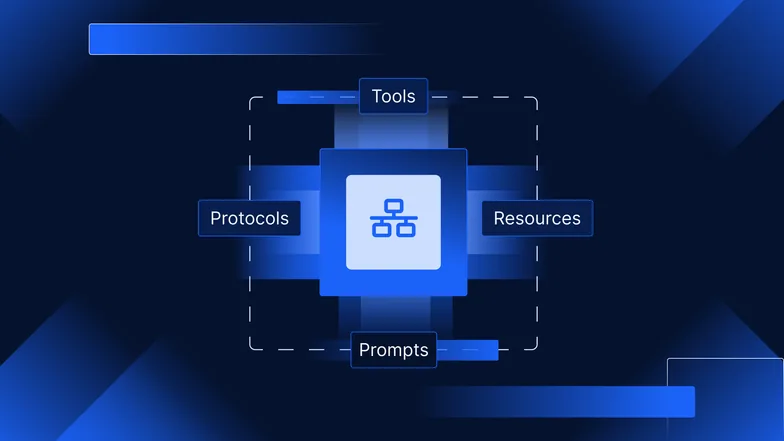
Agentic backends with MCP
Resources and guides to help you build, deploy, and scale AI agents using the Model Context Protocol (MCP).
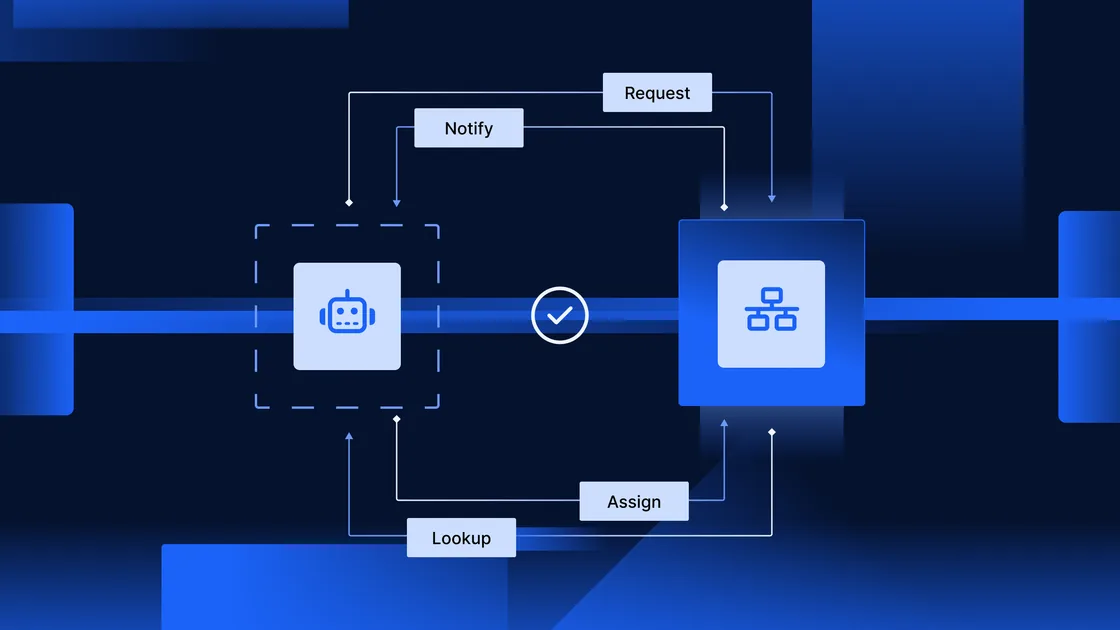
Why REST APIs Aren’t Built for Agentic Workflows: Introducing the Model Context Protocol (MCP)
AI agents are no longer limited to answering questions - they're beginning to take action, execute tasks, and collaborate across systems. But to do that effectively, they need more than traditional APIs. They need structure, discoverability, and a shared language. That’s where the Model Context Protocol (MCP) comes in.
Read the featured articleWhat is Xano MCP?
Xano MCP is how AI agents connect to your Xano backend through the Model Context Protocol (MCP), the shared language agents use to discover and use a server’s tools, prompts and resources. It shows up in three places on one platform.
The Xano Developer MCP gives coding agents like Claude Code, Cursor and Codex Xano’s docs and validation tools, so they
build to Xano’s rules. Install it in your MCP client with one command: npx -y @xano/developer-mcp.
npx -y @xano/developer-mcp
When you build with the Xano SDK, init also connects Claude Code and Cursor to the Xano Engine’s local MCP
server, and npx xanosdk local mcp connects Codex and any other agent. There they read tables and rows, seed data, and run functions and tests on your machine. And with the
Xano MCP Builder, the MCP servers you build are hosted on Xano, authenticated, permissioned, observable and
versioned, for Claude, Cursor, ChatGPT and any client that speaks MCP.
Latest on MCP
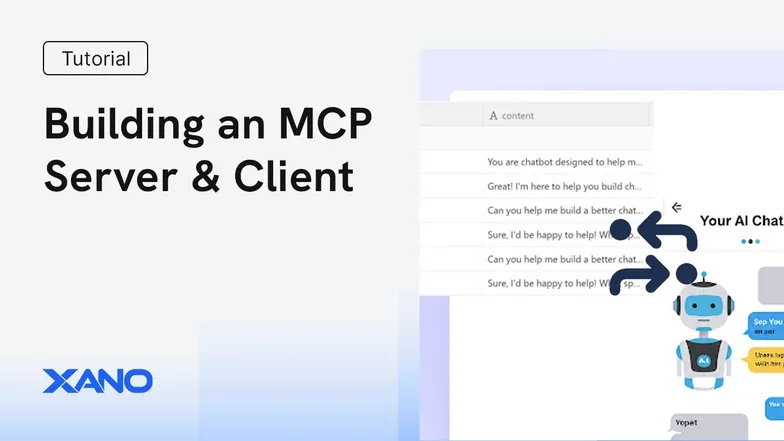
Build an MCP Server and Client with Xano
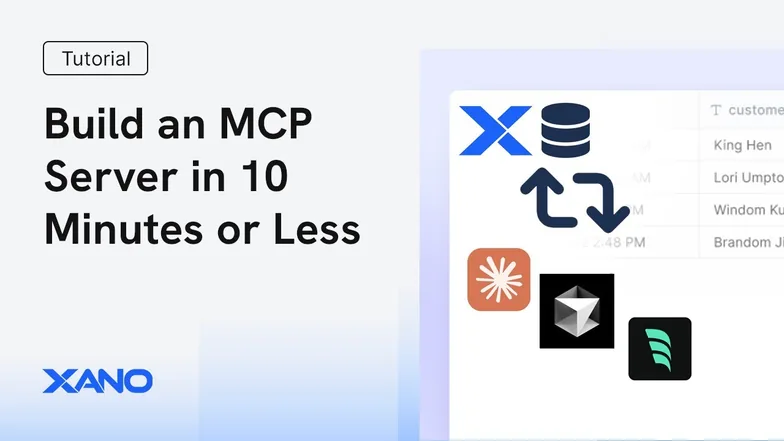
Build an MCP Server in 10 Minutes or Less
Part 2 - Deep Dive: MCP for Building Connected AI Agents
Part 1 - MCP for Building Connected AI Agents
Part 3 - Secure AI Agents with Xano
Join Us Live: Building MCP Servers with Xano’s New MCP Builder
Backend-First Development: The Smart Way to Build with AI
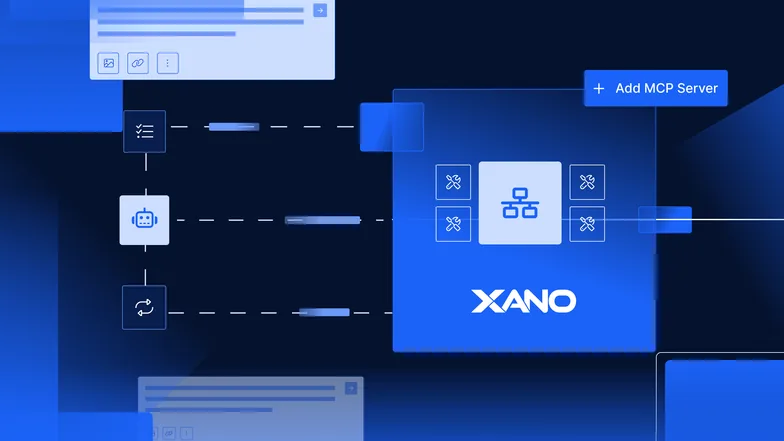
Building Agent-Ready Systems with Xano: Powering the Future of M2M and A2A Workflows with MCP